Natural vs Artificial Light
Back to: Basic Lighting Terminology
Natural Light
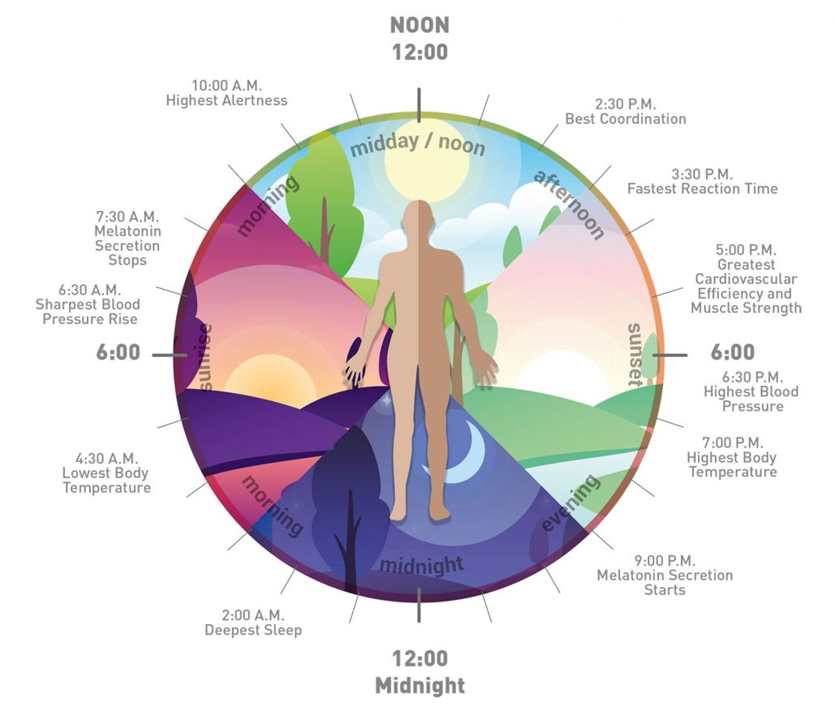
Natural light comes from the sun and constantly changes in colour, intensity, and direction throughout the day. In the morning and evening, it appears warmer and softer, while at midday it is cooler and more intense. These natural shifts influence how we see colours, how spaces feel, and even how our bodies function. Sunlight helps regulate our circadian rhythm, mood, and overall wellbeing, which is why good lighting design often seeks to mimic or complement natural daylight.
Artificial Light
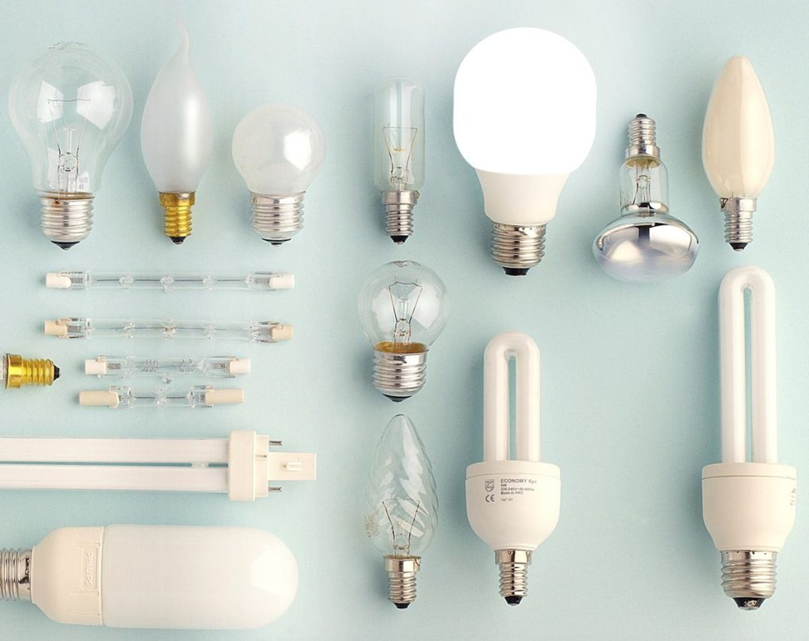
Artificial light is created by human-made sources such as incandescent lamps, fluorescent tubes, and modern LEDs. Unlike natural light, it can be produced at any time and tailored to specific needs. Artificial lighting comes in a wide range of colours, intensities, and beam shapes, and it can be controlled through dimming, optics, and smart systems. It allows us to extend productivity beyond daylight hours, improve safety, highlight design features, and even influence mood and wellbeing when used correctly.