As Australia moves towards a more sustainable future, the circular economy approach is becoming a major focus in various industries, including lighting. LEDs offer significant environmental benefits not only during operation but also through recycling and sustainable manufacturing processes. This article explores how LED technology supports circular economy principles in Australia.
LED Manufacturing and Sustainability
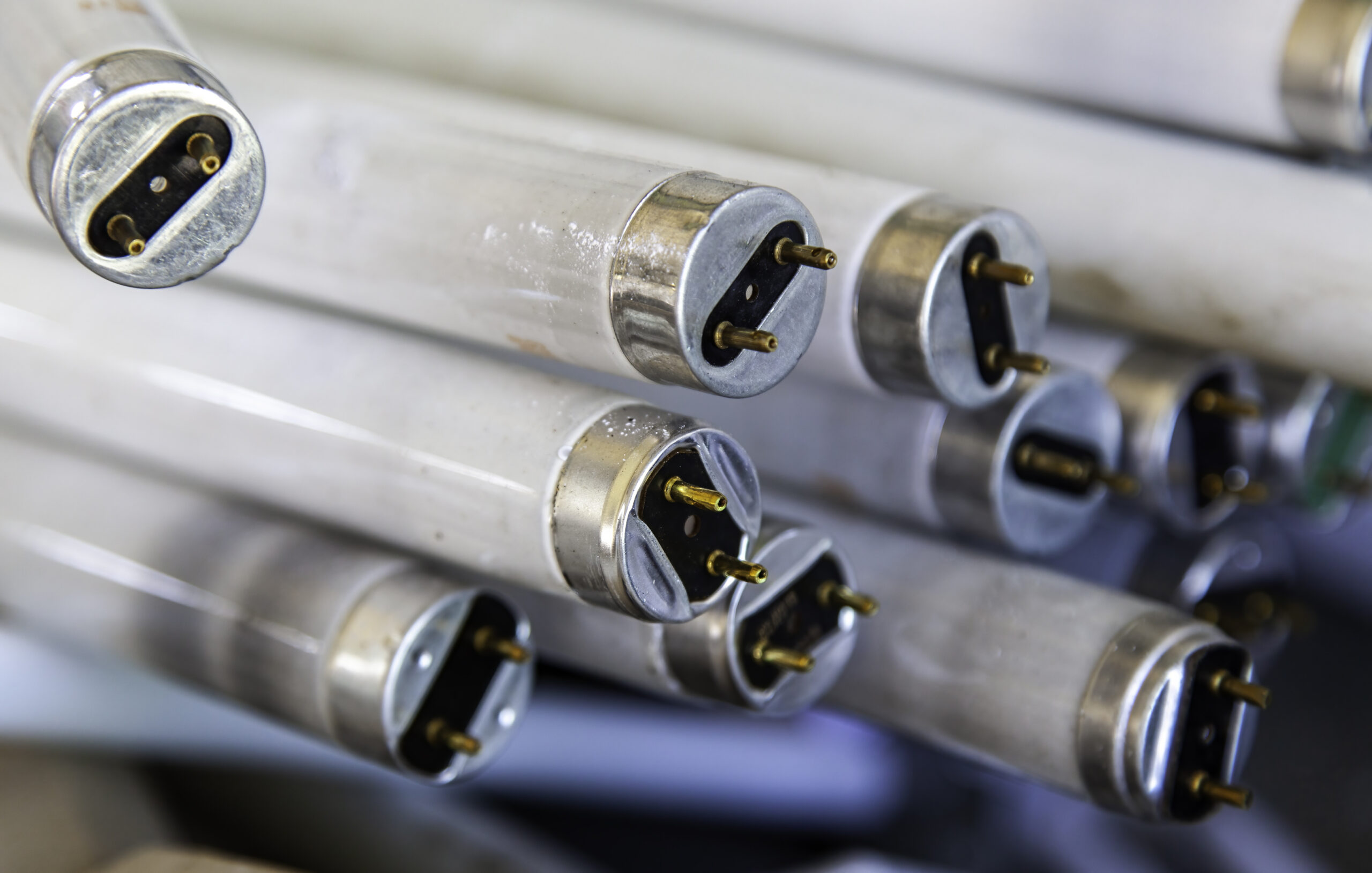
Traditional lighting technologies contain hazardous materials such as mercury, making disposal and recycling challenging. In contrast, LED lights are free from toxic elements and can be up to 95% recyclable (Sustainability Victoria, 2023). Manufacturers are now focusing on producing LED components with sustainable materials, further reducing environmental impact.
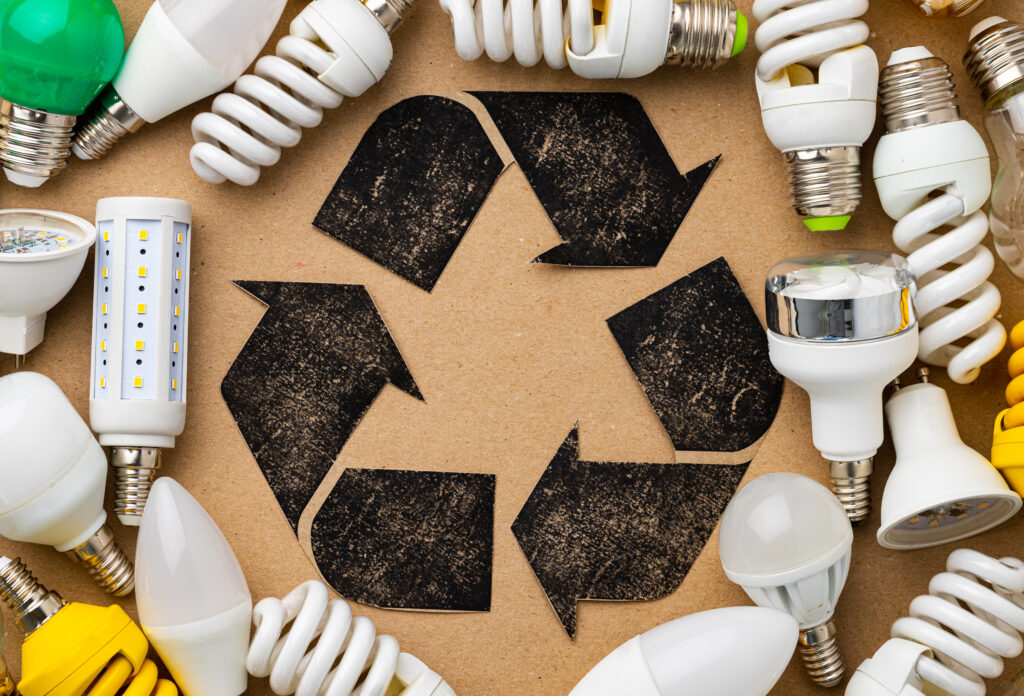
Recycling LED Lights in Australia
Reduced Landfill Waste:
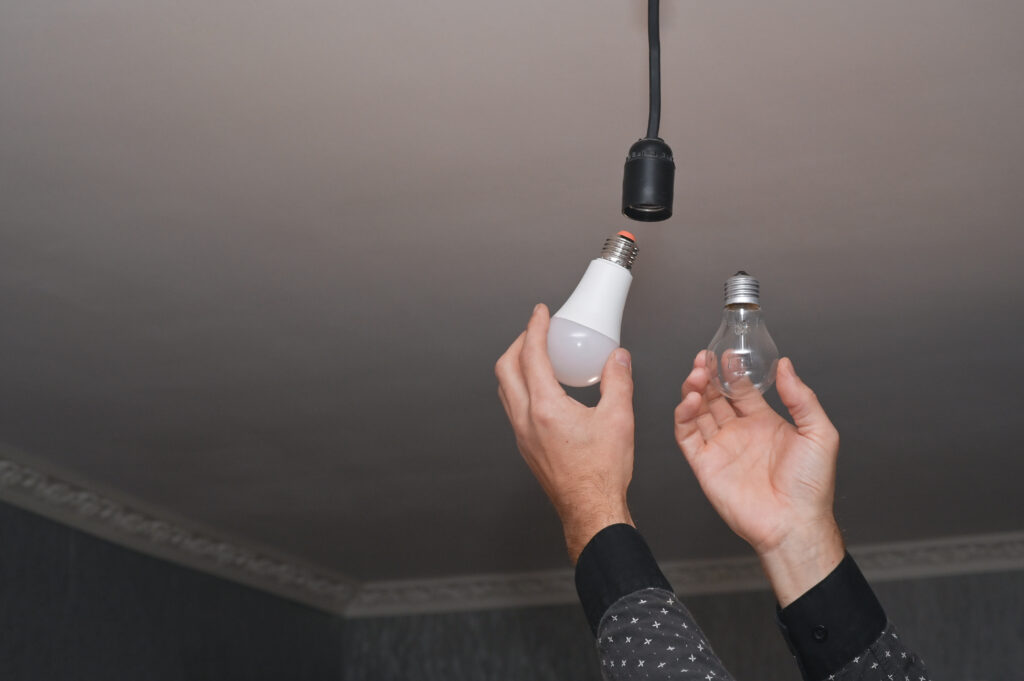
LEDs last significantly longer than traditional bulbs, leading to less electronic waste over time.
Material Recovery:
Components such as aluminium heat sinks and glass lenses can be recycled into new products.
End-of-Life Collection Programs:
Several Australian cities have introduced LED recycling programs to ensure proper disposal and material recovery.
Case Study: Victoria’s LED Recycling Initiative
Victoria has launched a statewide LED recycling initiative, diverting thousands of bulbs from landfills and repurposing materials for new manufacturing processes. This project aligns with Australia’s National Waste Policy Action Plan and supports a circular economy approach.
Conclusion
By embracing sustainable manufacturing and recycling practices, the LED industry is contributing to a circular economy that minimises waste and maximises resource efficiency. Increased adoption of LED recycling initiatives will help Australia achieve its sustainability targets.
References
Sustainability Victoria, 2023. LED Recycling and Waste Reduction.
National Waste Policy Action Plan, 2023. Building a Circular Economy.