Marine ecosystems are highly sensitive to artificial lighting, which can disrupt the behaviour of marine life, from sea turtles to coral reefs. Traditional lighting, particularly high-intensity coastal and port lighting, has been shown to contribute to light pollution, harming biodiversity. LED technology offers a sustainable solution by reducing light spill, allowing for wavelength adjustments, and minimising environmental impact. This article explores how LED lighting is helping protect Australia’s marine ecosystems.
The Impact of Artificial Lighting on Marine Life
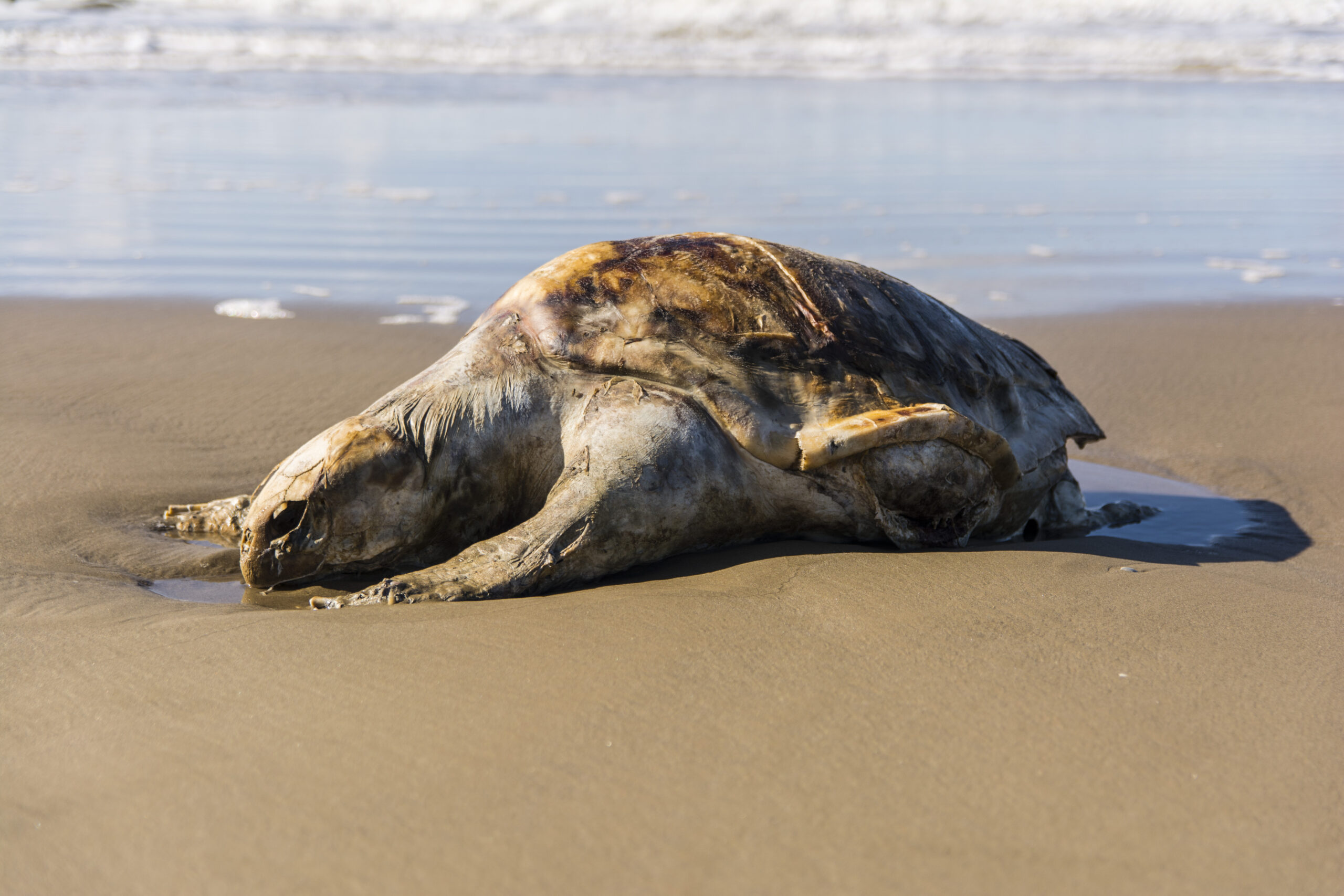
Light pollution from coastal cities, ports, and fishing vessels can disorient marine species, disrupt breeding cycles, and alter predator-prey relationships. For example, sea turtle hatchlings in Queensland have been found to become disoriented by bright artificial lights, leading them away from the ocean (Australian Marine Conservation Society, 2023). Similarly, excessive blue-spectrum lighting can inhibit coral reproduction, affecting entire reef ecosystems.
How LEDs Help Reduce Marine Light Pollution
Directional Control:
LED lights can be designed to illuminate only necessary areas, reducing light spill into marine habitats.
Wavelength Customisation:
LEDs allow for spectrum adjustments, minimising harmful blue-light emissions that affect marine life.
Energy Efficiency:
LED technology reduces power consumption, allowing for more sustainable coastal lighting solutions.
Case Study: The Great Barrier Reef and LED Conservation Efforts
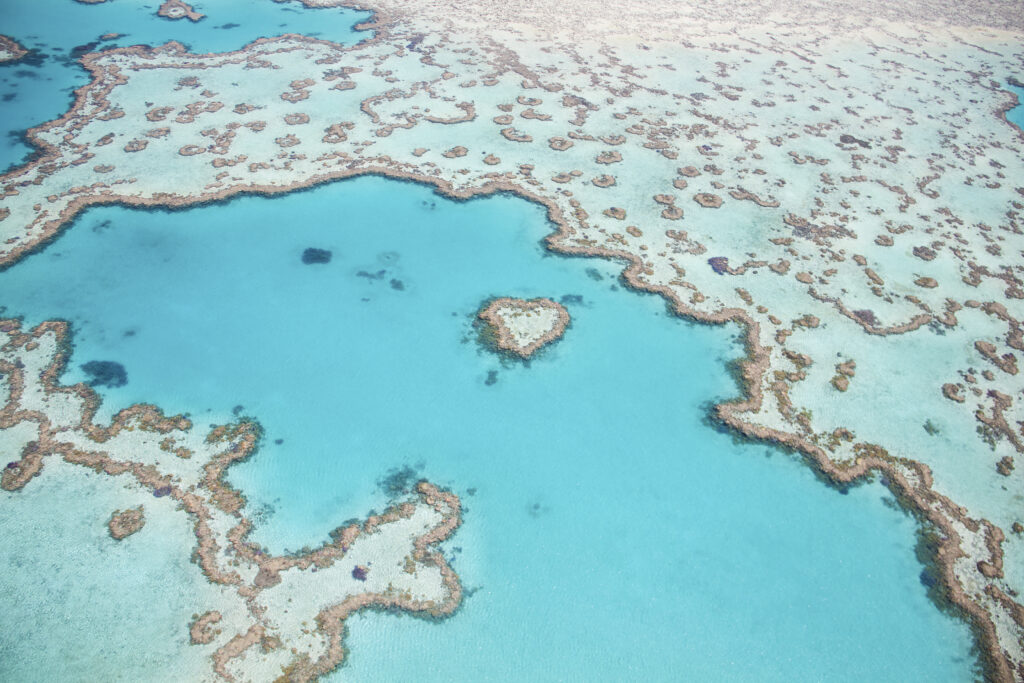
The Australian Institute of Marine Science has been testing LED-based lighting systems to study coral spawning patterns. By fine-tuning light spectrums, researchers have found ways to minimise artificial light interference with coral reproduction, ensuring a healthier reef ecosystem.
Conclusion
LED lighting offers a practical and environmentally friendly alternative to traditional artificial lighting that negatively impacts marine life. Through proper implementation and research, LEDs can help mitigate light pollution and protect Australia’s rich marine biodiversity.
References
Australian Marine Conservation Society, 2023. The Impact of Light Pollution on Marine Life.
Australian Institute of Marine Science, 2023. Using LEDs for Coral Conservation.