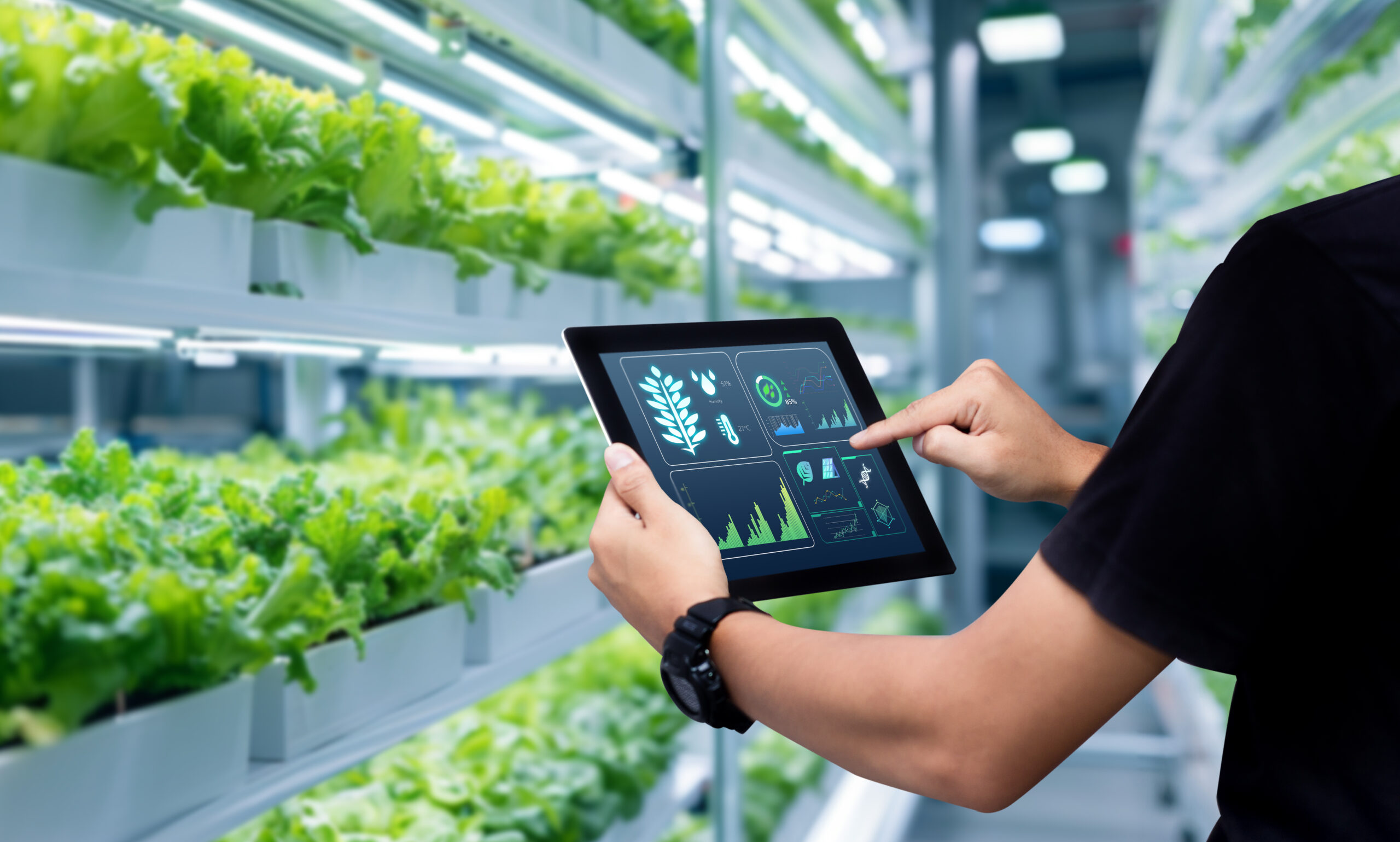
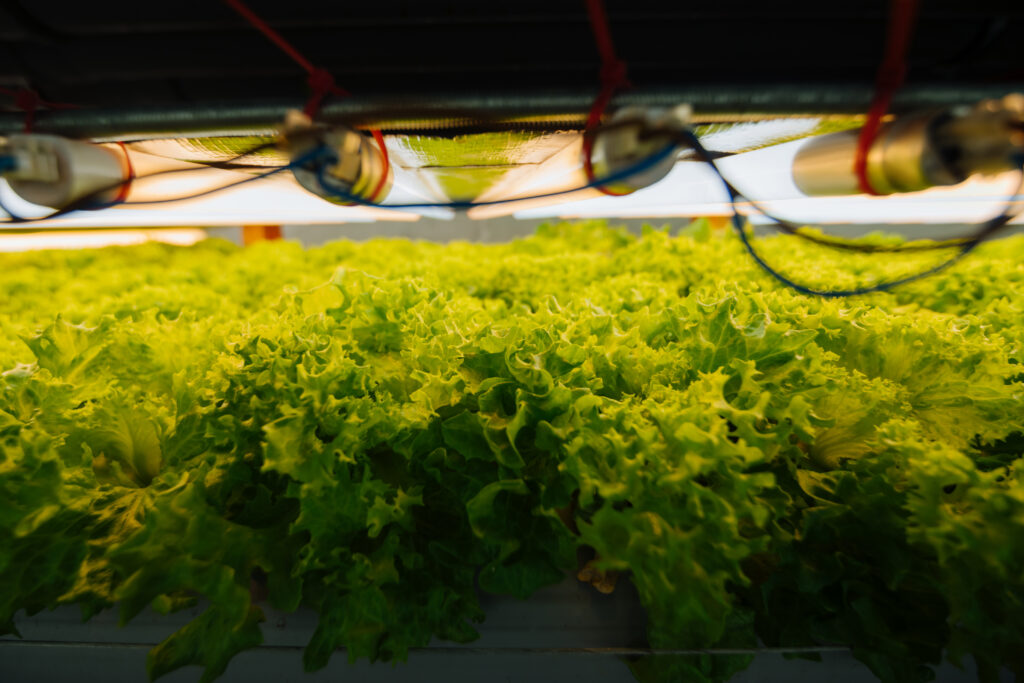
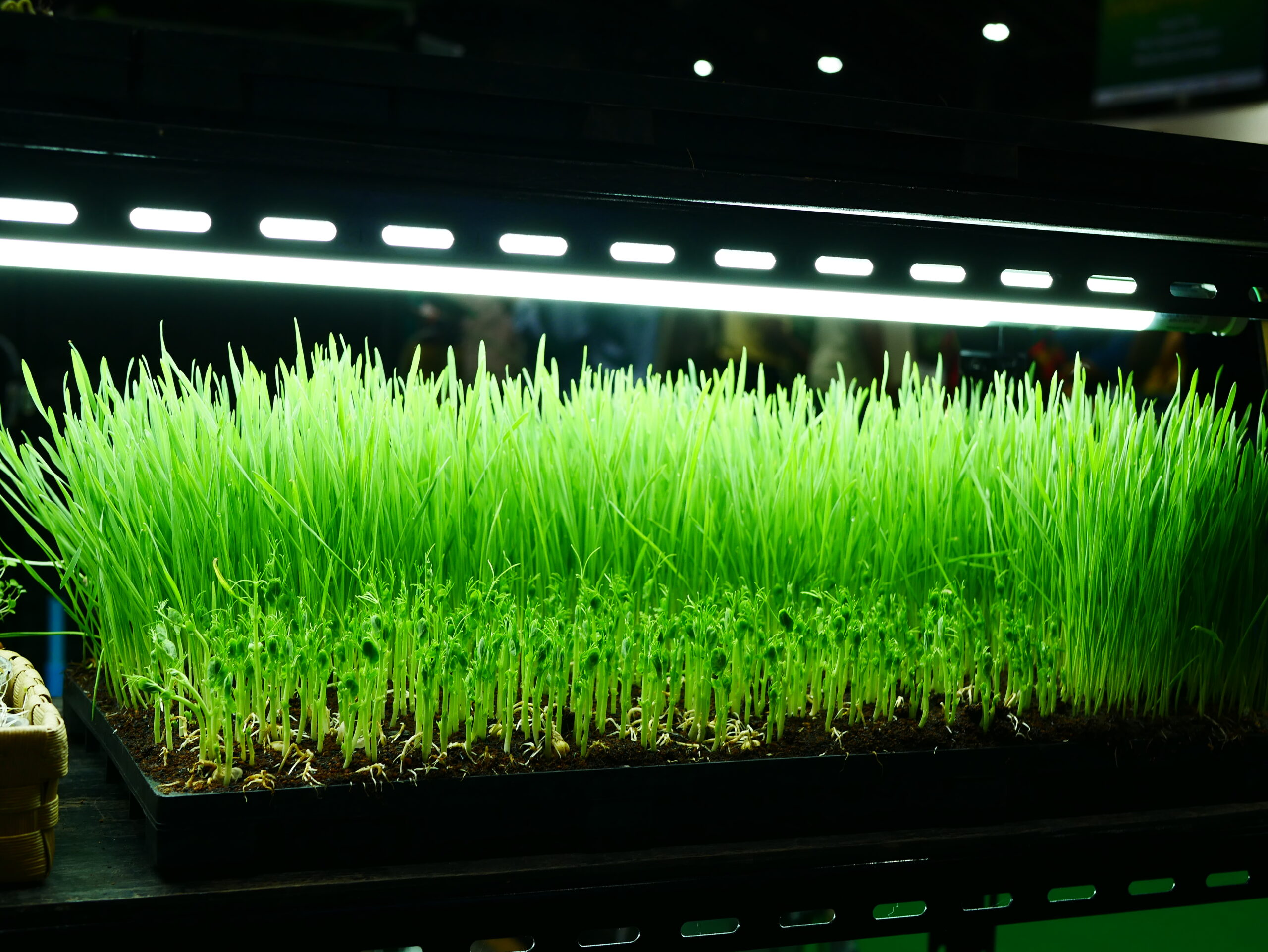
As the demand for sustainable food production grows, farmers and researchers in Australia are turning to energy-efficient LED lighting to enhance agricultural practices. LED lighting plays a critical role in controlled environment agriculture, including hydroponics and vertical farming. This article explores how LED lighting supports sustainable agriculture, improves crop yields, and reduces energy consumption.
Traditional agricultural lighting systems, such as high-pressure sodium (HPS) lamps, are energy-intensive and emit excessive heat, which can negatively affect plant growth. LEDs offer a more efficient alternative by consuming up to 60% less energy while producing the precise wavelengths needed for plant photosynthesis (Commonwealth Scientific and Industrial Research Organisation [CSIRO], 2023). The ability to tailor LED lighting spectrums allows farmers to optimise plant growth rates, improve yields, and extend growing seasons.
Benefits of LED Lighting in Agriculture
Optimised Growth Cycles:
LEDs provide specific light spectrums that promote vegetative growth and flowering stages. Studies by the Australian Centre for International Agricultural Research (ACIAR, 2023) have shown that LED lighting enhances growth rates in leafy greens by up to 40% compared to traditional lighting.
Energy Efficiency:
With rising energy costs, LEDs provide a cost-effective solution by significantly reducing electricity usage in indoor farming operations.
Reduced Water Consumption:
By lowering heat output, LEDs decrease the need for excessive watering in hydroponic systems, making agriculture more water-efficient—especially vital in drought-prone regions of Australia.
Pesticide Reduction:
Enhanced LED lighting can improve plant immunity, reducing reliance on chemical pesticides and supporting organic farming practices.
Case Study: LED-Powered Vertical Farming in Sydney
LED-Powered Vertical Farming in Sydney
In Sydney, an urban vertical farming project has integrated LED lighting to grow fresh produce in a controlled environment. This system has reduced water usage by up to 90% compared to traditional soil farming while maintaining year-round crop production. The project is now supplying fresh herbs and leafy greens to local supermarkets and restaurants, proving the viability of LED-driven agriculture in Australia.
Conclusion
LED lighting is revolutionising sustainable agriculture by improving efficiency, reducing energy consumption, and increasing crop yields. As more Australian farmers adopt LED solutions, the agricultural sector can move towards more sustainable and climate-resilient food production.
References
CSIRO, 2023. Energy-Efficient Lighting in Agriculture.
ACIAR, 2023. Optimising Growth with LED Spectrums.